

Time:2024-11-05Browse:56
Break With Tradition Innovate Heat Dissipation
The heat generated by MOS transistors in photovoltaic inverters, energy storage products, and high-power power supplies is a headache for all manufacturers. Due to the high power density, the temperature of MOS transistors can reach over 100 degrees during high-power operation. An effective interface thermal conductive material is necessary between MOS transistors and heat sinks to effectively reduce the temperature of MOS transistors and extend product life.
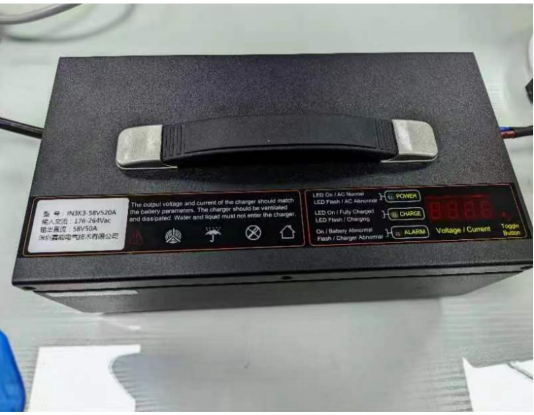
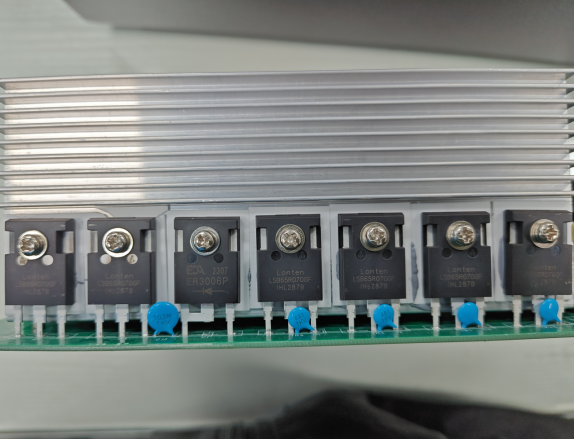
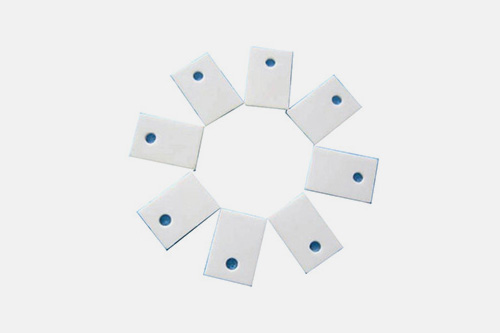
The traditional heat dissipation solution is to apply heat dissipation paste on both sides of a ceramic sheet between the MOS tube and the heat sink. There are also direct use of heat dissipation paste (for areas where insulation and voltage resistance are not required) and direct use of thermal conductive silicone tape (thermal conductive insulation sheet), but these solutions have many inconveniences:
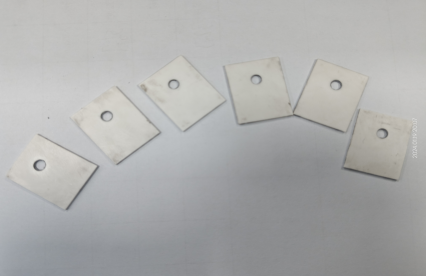
1. The solution of using ceramic tiles and heat dissipation paste is complex and time-consuming, as applying heat dissipation paste is troublesome and can cause the workbench to become dirty. And the aging performance of the heat dissipation paste is poor, and after a long time, it is prone to drying, leading to thermal conductivity failure. The difficulty of achieving automated operations is high, and the cost of ceramic tiles and heat dissipation paste is also not low.
2. The solution of directly using MOS tube+heat dissipation paste+heat sink can only be applied to parts without voltage resistance requirements, but most parts have strong requirements for voltage insulation.
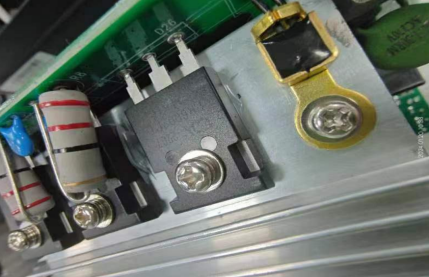
3. The solution of directly using thermal conductive silicone tape. At present, compared with domestic and foreign thermal conductive silicone adhesive tapes, the SP2000 product from Beige has the highest thermal conductivity (thermal conductivity of 3.5W/M-K). However, when conducting temperature rise tests, the temperature of the MOS tube is still higher than that of using ceramic chips and heat dissipation paste, and its performance is still unsatisfactory.
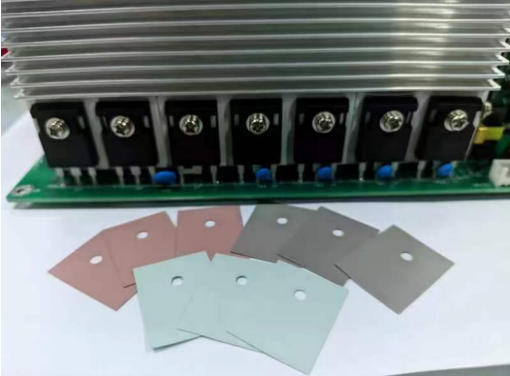
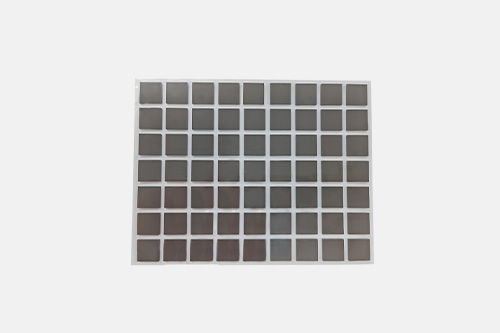
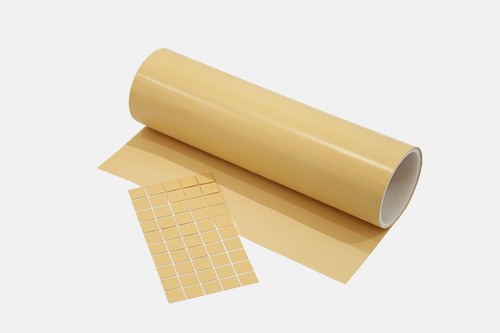
There is a company, Shenzhen Haopengda Technology Co., Ltd., which has been dedicated to research and development for 5 years and has launched a TCX5000 thermal conductive fabric with a thermal conductivity coefficient of up to 5.0w/m-K, flame retardant grade V0, and voltage resistance of 5.0KV. Through verification by multiple customers and temperature rise comparison tests, TCX5000 products can lower the temperature of MOS tubes. And there is no need to apply heat dissipation paste.
According to internal sales personnel of Haopengda, Haopengda can customize any shape and shipping method according to customer needs, in order to enable customers to achieve the highest efficiency in automatic assembly. It is understood that customers who use TCX5000 products can reduce their overall costs by 1-2 times and increase production efficiency by 10 times by using ceramic tiles and heat dissipation paste. And in terms of long-term aging reliability, it has received high praise from customers.
Here is the internal test data of Haopengda:
3KV power supply, test data using ceramic chips and silicone grease:
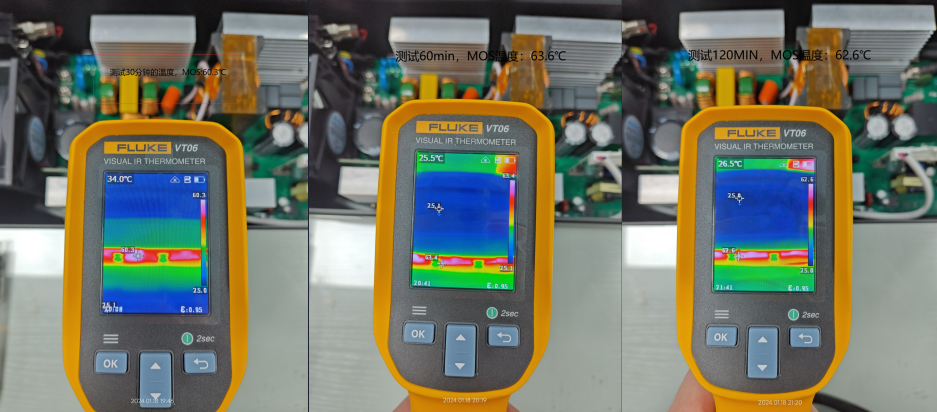
Test for 30 minutes: MOS temperature: 60.3 ℃
Test for 60 minutes MOS temperature: 63.4 ℃
Test 120MIN, MOS temperature: 62.6 ℃
Using the same power supply, ambient temperature, testing equipment, testing personnel, etc., all under the same conditions, only replace the ceramic tiles and silicone grease with the Haopengda TCX5000 thermal conductive cloth (all silicone grease has been wiped clean). The data is as follows:
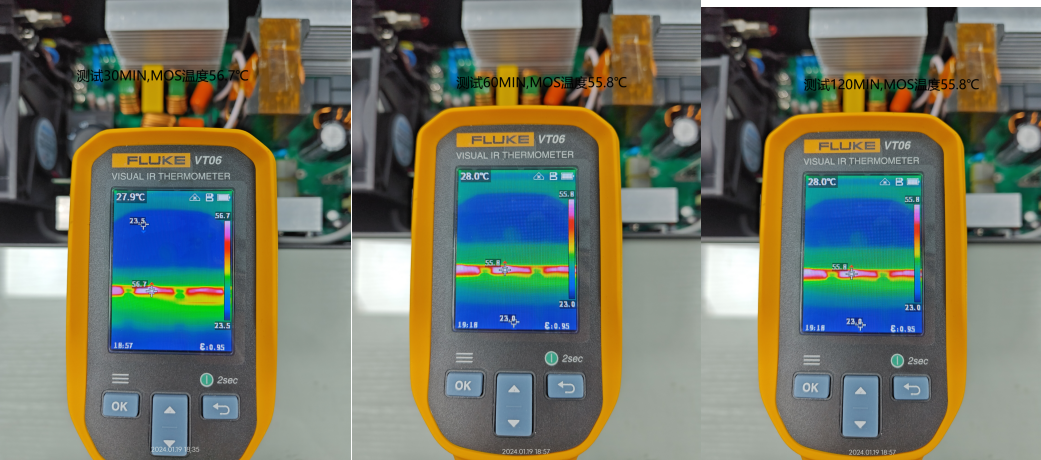
Test 30MIN, MOS temperature: 56.7 ℃
Test 60MIN, MOS temperature: 55.8 ℃
Test 120MIN, MOS temperature: 55.2 ℃
Comparing through curves
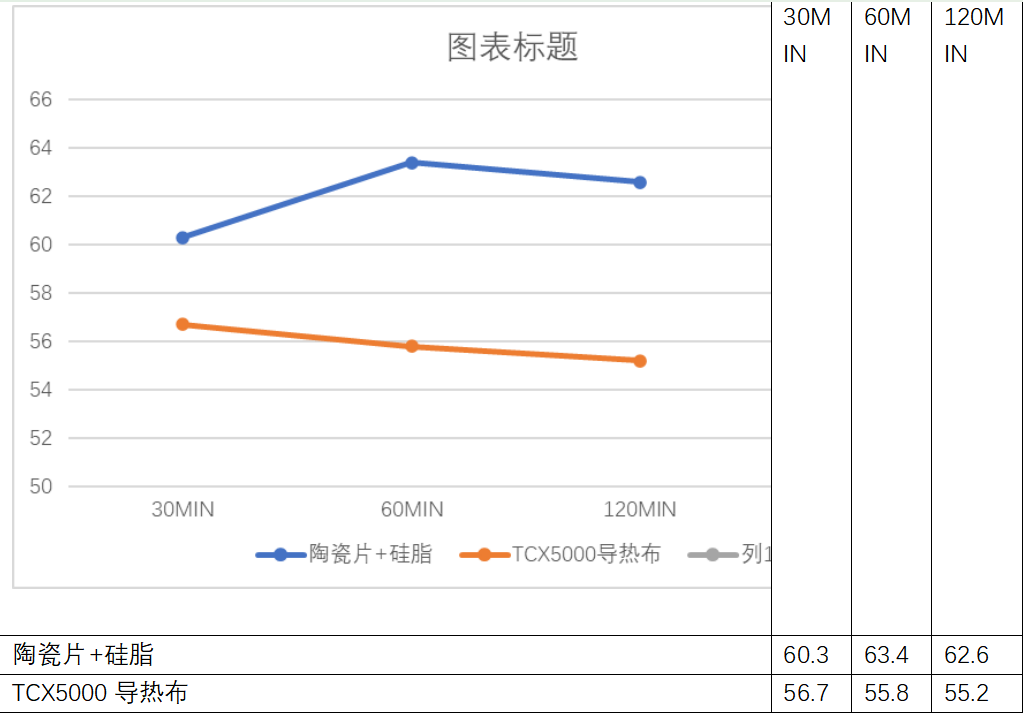
Through curve comparison, the Haopengda TCX5000 thermal conductive cloth can lower the temperature of MOS transistors. Thereby extending the lifespan of MOS.
Customer concerns:
1. How is the temperature rise
Based on the above test data, it is sufficient to prove the powerful performance of TCX5000
2. How is the reliability of aging
All products of Haopengda have passed strict 1000H aging tests (150 ° C high temperature/thermal shock/double 85/salt spray/vibration)
3. Cost effectiveness
The unit price of materials is equivalent to the price of individual ceramic tiles
4. Can it be automated
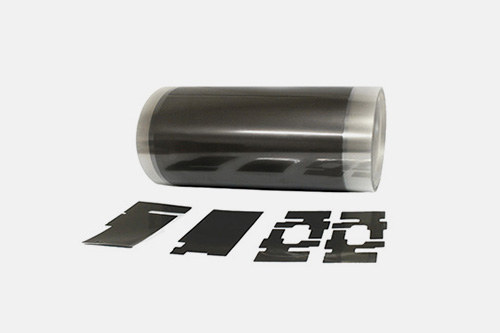
Haopengda can make rolls according to customer needs, and make the material surface slightly sticky (special treatment), which can be automatically operated by a robotic arm
Makeup stickers
Regarding the TCX5000 product:
Haopengda is coated with a special process, with a thickness of only 0.2mm, a withstand voltage of 5KV/0.2MM, and a flame retardant rating of V0 (with UL certification). For detailed TDS and MSDS, please consult Haopengda's sales department.
Regarding Haopengda:
Shenzhen Haopengda Technology Co., Ltd. was established in 2008 and has been dedicated to independent research and development and production of thermal interface materials for more than 10 years. It has a long-term strategic cooperation with Shenzhen University and has a complete quality control system (ISO9001 IATF16949 combined with enterprise MES system). The company has a team of nearly 100 people and only focuses on the research and production of thermal interface materials. The company's products include: thermal conductive silica gel sheet/thermal conductive silica tape/thermal conductive gel/thermal conductive silicone grease/thermal conductive potting adhesive/thermal conductive adhesive. The company's independently developed products have achieved cost reduction, efficiency improvement, and automation for customers in multiple fields.
Website: www.haopta.com
Sales Department Contact Information: Puyu 13612951312 0755-29005929-8008
Address: 4-5/F, Changlongxing Technology Park, No. 9 Chuangye Road, Shilongzi, Shiyan, Bao'an, Shenzhen


















 2024-11-05