
LEDThe heat dissipation substrate mainly utilizes the excellent thermal conductivity of its heat dissipation substrate material to dissipate the heat source from the LED particles. Taking TC300 as an example, it can quickly transfer the heat of LED to the aluminum substrate, thereby reducing the heat temperature of LED. Generally, the temperature can be reduced by 3-5 degrees, greatly solving the problem of difficult heat dissipation of LED, extending the service life of LED, and improving the quality of LED products.
Structure diagram of LED street light
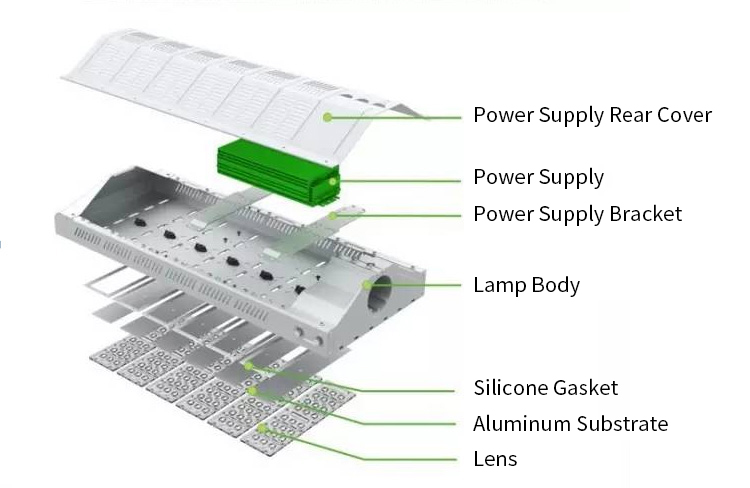
application scenario
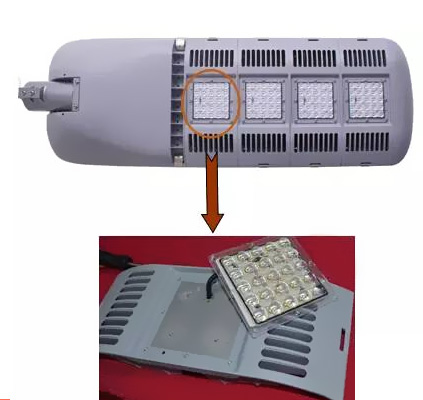
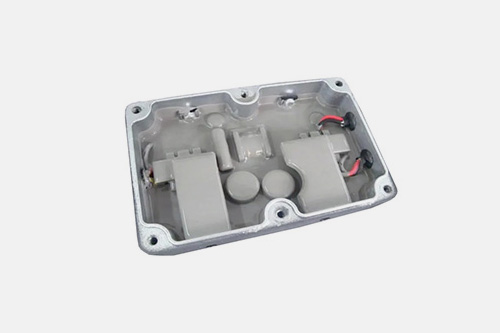
This LED street light consists of four modules, each with N heating beads, and the shell is made of metal and serves as a heat dissipation device.
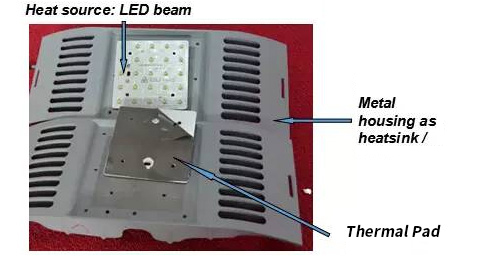
The application of thin and soft thermal pads between the LED aluminum substrate and the housing reduces contact thermal resistance and ensures good thermal conductivity. If the size is large, fiberglass substrate can be added to strengthen the load-bearing capacity and ensure the convenience of the application end operation process.
Application of LED Display Screen
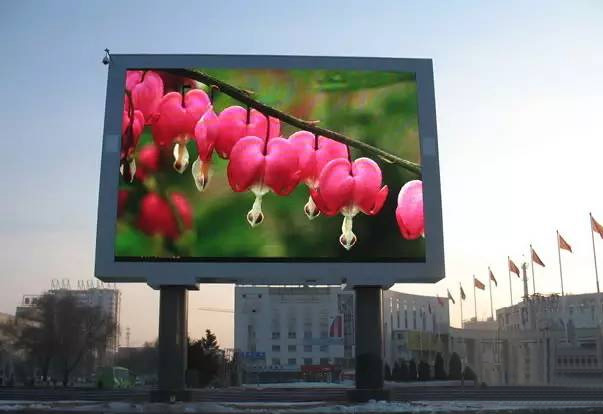
TC300 can transfer heat from the display module to the back shell, and the product has high flexibility and high thermal conductivity. The application scenario is uneven and requires high thixotropy of the product. TC300 ultra soft thermal conductive sheet has higher adhesion with the contact surface and is more suitable for practical applications.
LED screen back module
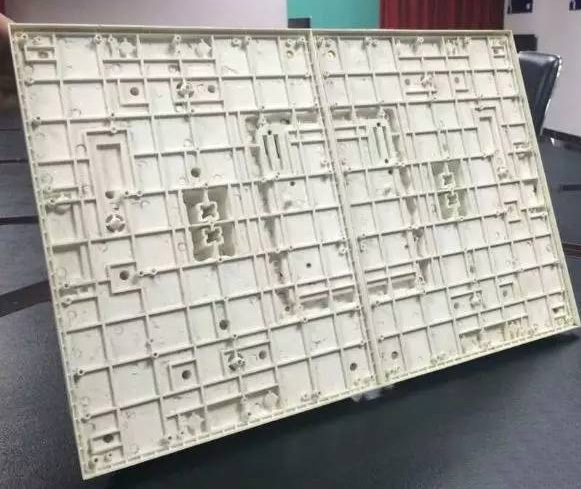
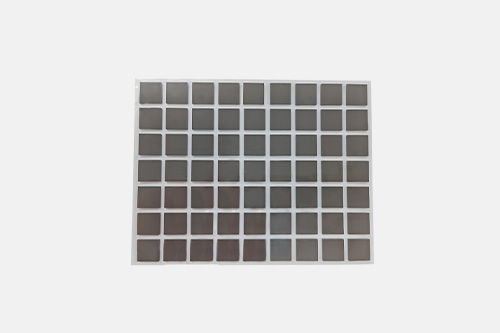
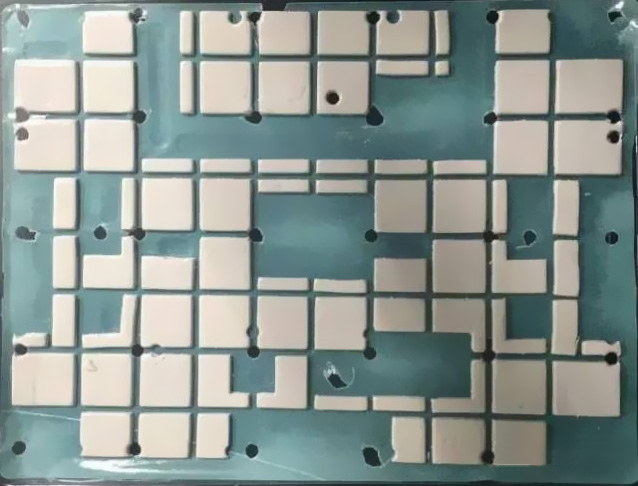
TC300 ultra soft thermal conductive silicone gasket
Silicone gasket applied to the rear shell module
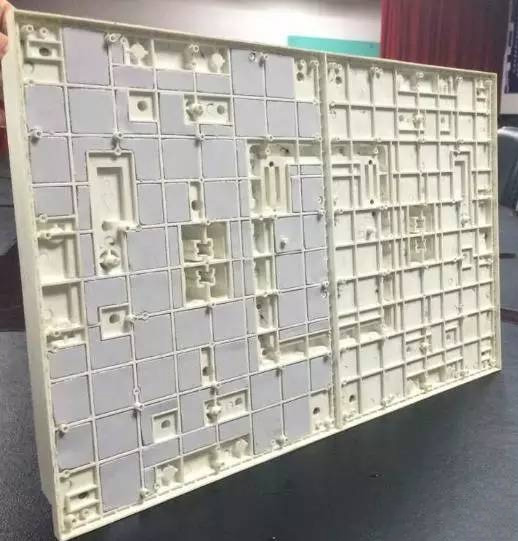
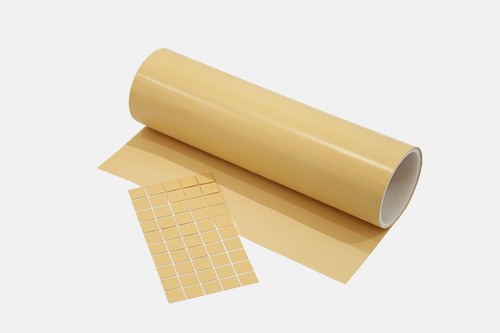
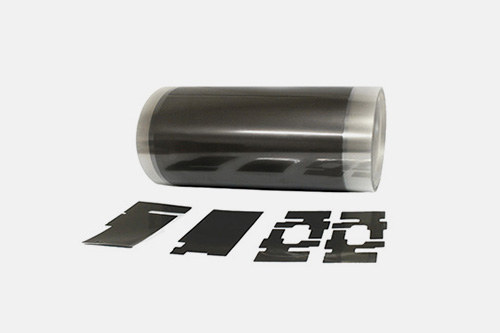
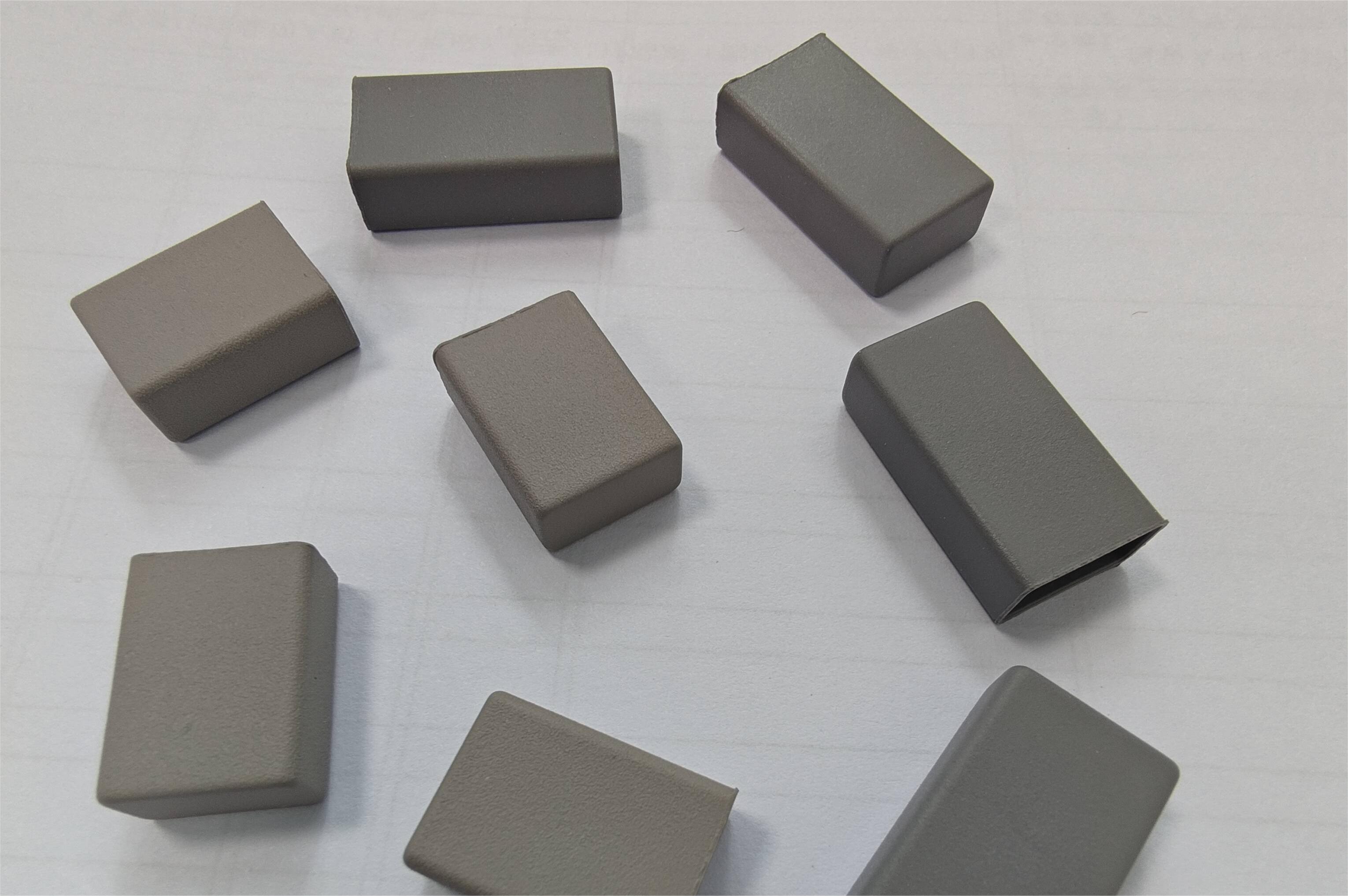
Die cutting and packaging methods can be matched according to the customer's application module structure