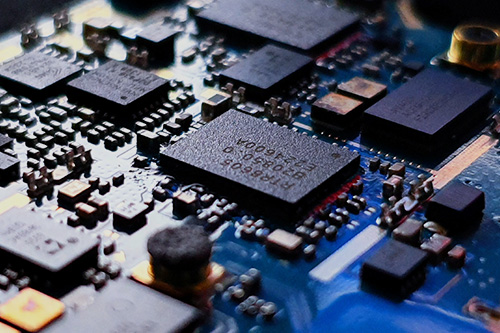


As mainstream cameras upgrade from 720P to high-end 1080P & 4K resolution, thermal interface materials are required to achieve thermal conductivity of 6W–15W, with higher standards for oil bleeding and other properties.

High-power charging and discharging generates substantial heat inside on-board chargers. If heat cannot be dissipated in a timely manner, the service life and performance of internal components will be greatly compromised.
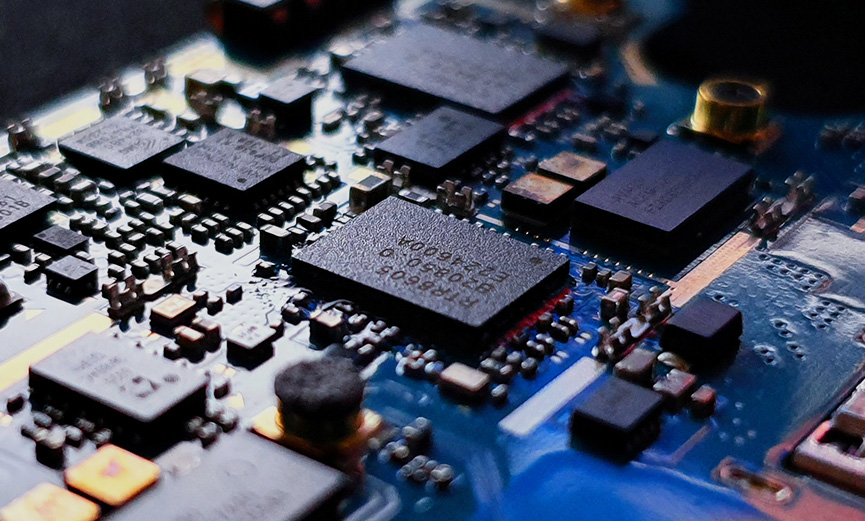
With the rapid development of microelectronic technology, chips are becoming smaller in size while operating at higher speeds, resulting in greater heat generation. This places higher demands on chip heat dissipation.

The increasing main frequency of chips in smartphones generates massive heat. Excessive heat not only impairs user experience, but may also damage hardware. Therefore, major manufacturers attach great importance to thermal management of smartphones.

LED heat dissipation substrates rely on the excellent thermal conductivity of substrate materials to transfer heat away from LED chips.