

Time:2024-01-31Browse:28
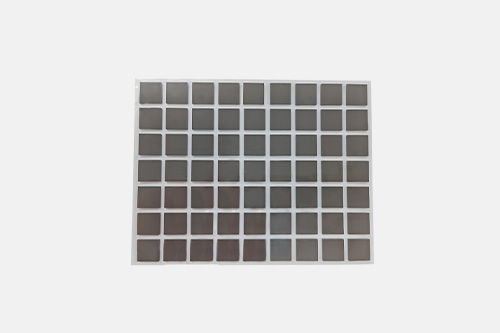
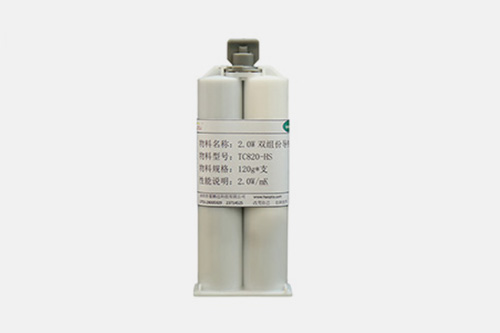
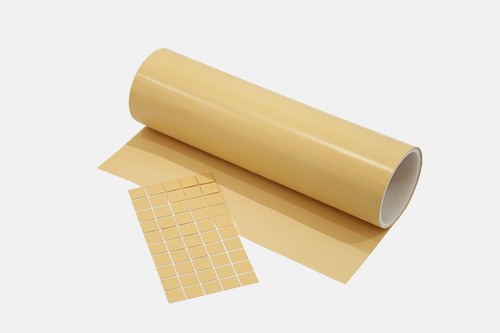
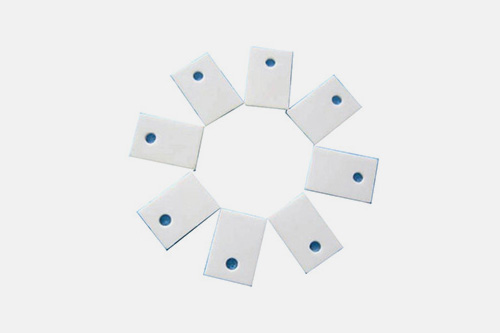
Firstly, determine the type of thermal interface material based on the customer's application; Secondly, select the appropriate thermal interface material based on parameters such as thermal conductivity, thickness, size, density, voltage resistance, and operating temperature of the product. The selection of thickness is related to the gap size of the TIM position where the customer needs to solve the heat dissipation problem, as well as the density, hardness, compression ratio and other parameters of the TIM product itself. It is recommended to determine the specific parameters after sample testing. The selection of thermal conductivity mainly depends on the power consumption of the heat source of the product that needs to solve the heat dissipation problem, as well as the heat dissipation capacity of the radiator or heat dissipation structure. The best choice for size is to cover the heat source, rather than the contact surface of the radiator or heat dissipation structural components. Choosing a size larger than the heat source will not significantly improve or enhance heat dissipation. When selecting the best matching gasket, you can first choose at least two types of gaskets, and then determine which gasket is the most suitable by conducting a thermal conductivity test.



















 2023-08-09